Guiyang eyes 'zero-waste city' status through circular development
Guiyang has actively promoted the construction of a "zero-waste city" in recent years, advancing waste reduction at the source, recycling, and safe disposal across the five key sectors of industry, agriculture, construction, daily life, and culture.
A "zero-waste" approach focuses on reducing waste generation from the outset through strategies such as reduction, reuse, redesign, and recycling. The goal is to enable efficient resource circulation, move away from disposable consumption, and ensure materials are fully utilized.

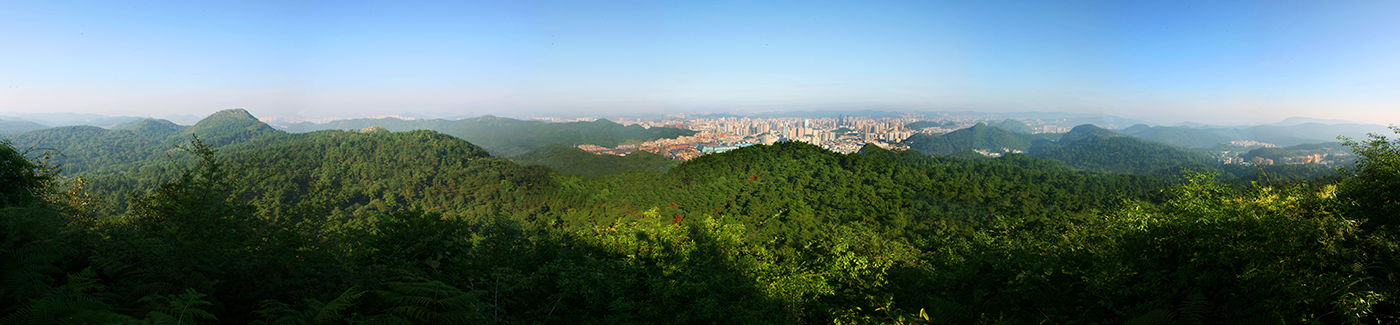
A cloudy blue sky above Guiyang city. [Photo/WeChat account of Guiyang ecology and environment bureau]
Guiyang has placed particular emphasis on the resource utilization of industrial solid waste. By comprehensively reusing by-products such as phosphogypsum and fly ash, the city transforms industrial waste into practical resources used for new building materials, ecological restoration, and mine backfilling.
In 2025, the comprehensive utilization rate of bulk industrial solid waste in Guiyang reached 69.77 percent, with phosphogypsum utilization at 81.37 percent and construction waste recycling at 40 percent.
Low-carbon practices have also become increasingly common across the city. Government institutions, schools, and scenic areas are promoting environmentally friendly lifestyles, where reducing paper use and practicing waste sorting have become routine.
At the same time, Guiyang continues to strengthen the standardized management of hazardous waste. In 2025, more than 190,000 metric tons of hazardous and medical waste were safely transferred and disposed of in a regulated manner, helping protect soil and groundwater safety.
Links
Guiyang China
© The Guiyang Municipal People's Government. All Rights Reserved.
Presented by China Daily.
黔ICP备05001922号-3
Presented by China Daily.
黔ICP备05001922号-3